What Can Lie Detectors Be Used For?
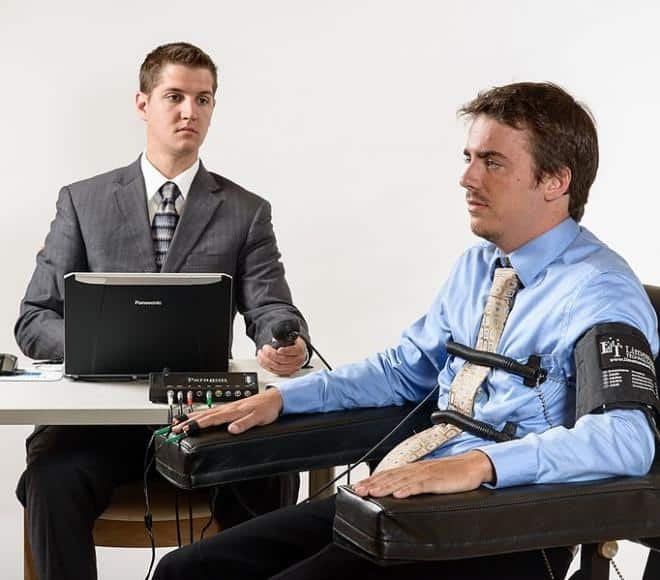
Lie detector tests, also known as polygraph examinations, are designed to determine whether a person is being truthful or deceptive by analyzing physiological responses. These tests are based on scientific principles, although they often spark debates about their accuracy and application. Contrary to the misconception that the machine itself provides a definitive answer, the polygraph device records physiological data—such as changes in heart rate, blood pressure, respiration, and even perspiration. These responses are then evaluated by a trained examiner who interprets the data and delivers the final assessment. The process combines technology with human expertise, making it a unique tool for truth verification. If you’re curious about what happens during a lie detector test, individuals often experience heightened emotional responses during questioning, which examiners use as key indicators to assess truthfulness. These emotional reactions, particularly anxiety or stress, are critical in identifying deceptive behavior.
Polygraphs have gained widespread recognition for their versatility and are applied across various fields for different purposes. Below, we delve deeper into some of the most common and impactful uses of this fascinating tool.
Domestic Disputes and Fidelity Tests
One of the most common uses of polygraph tests is in addressing personal issues, such as concerns about infidelity or dishonesty in relationships. Domestic disputes often arise from trust issues, creating unresolved tensions that can jeopardize a couple’s future together. Polygraph tests have become a modern solution for resolving these conflicts, offering an unbiased way to uncover the truth. By undergoing a professional test, individuals can gain clarity and answers to lingering doubts. For some couples, this process can prove fidelity and serve as a foundation for rebuilding trust. For others, it helps uncover hidden truths, allowing both parties to make informed decisions about their relationship. Additionally, therapists and counselors sometimes recommend polygraph tests as part of conflict resolution strategies, especially in cases where communication has broken down and trust must be rebuilt from the ground up.
Pre-Employment Screening
Polygraph examinations are also widely applied in professional settings, particularly in industries where trust and reliability are of utmost importance. Employers may require candidates to undergo a lie detector test for roles involving access to sensitive information, financial resources, or weapons. For instance, law enforcement agencies, government bodies, and private security firms often use polygraphs as part of their recruitment process to ensure candidates meet their stringent ethical and reliability standards. A pre-employment polygraph test allows businesses to verify a candidate’s trustworthiness by identifying any discrepancies or omissions in the individual’s background. This is especially valuable when hiring for roles that demand high levels of accountability, as recruiting someone with a questionable past could pose serious risks to the organization. By integrating polygraph testing into the hiring process, employers can enhance workplace safety, maintain integrity, and protect their operations.
Legal Proceedings
In the realm of legal proceedings, every piece of evidence is crucial in the quest for justice. Polygraph tests are frequently used in cases involving theft, sexual offenses, or other serious allegations to uncover the truth behind complex situations. Defendants, witnesses, or even victims may be subjected to polygraph examinations conducted by skilled professionals to provide further clarity in a case. The polygraph records physiological reactions—such as changes in blood pressure and emotional responses—during questioning, which are analyzed by an expert examiner to determine truthfulness. While polygraph results are not always admissible in court due to varying legal frameworks and concerns about their reliability, they are often used as supplementary evidence or investigative tools. Law enforcement agencies and legal teams may rely on these results to guide their inquiries or strengthen their strategies. In some jurisdictions, polygraphs play a key role in plea negotiations, parole determinations, or pre-trial investigations, making them an important aspect of the legal process.
Other Uses of Polygraphs
Beyond personal, professional, and legal applications, polygraph tests are also employed in fields such as national security, scientific research, and even reality television. Intelligence agencies often use polygraphs to vet personnel or uncover potential security threats. In research, polygraphs are sometimes used to study the psychological and physiological responses to stress or deception. Meanwhile, in entertainment, polygraph tests have become a popular segment in reality shows, adding drama by revealing contestants’ truths or lies. This diverse range of applications highlights the flexibility of polygraphs as a tool for uncovering the truth.
Polygraph tests remain a powerful instrument in various aspects of modern life, from resolving deeply personal conflicts to enhancing the integrity of professional and legal systems. By offering a reliable way to assess honesty and uncover concealed truths, these tests provide clarity in situations where trust or accountability is at stake. Whether used in relationships, workplaces, or courtrooms, polygraphs continue to play a vital role in helping individuals and institutions make informed decisions..