How To Pass A Polygraph: A Guide From Lie Detectors UK
How to Pass a Lie Detector Test: The Truth About Polygraph Accuracy and Countermeasures
Passing a lie detector test is often perceived as an intimidating challenge. The simplest and most effective advice? Tell the truth. If you’re guilty, the only sure-fire way to avoid failing is not to take the test in the first place. Despite this, both innocent and guilty individuals frequently scour the internet for tips and tricks to “beat” a polygraph or even “beat a polygraph test.” Unfortunately, much of the information available online is misleading, and attempts to cheat are rarely effective.
In the UK, it’s estimated that about 10% of polygraph examinees will try to use countermeasures—techniques aimed at manipulating the results. These tactics, which range from altering breathing patterns to tensing muscles, are easily detected by skilled examiners using modern equipment. In this article, we’ll explore the science behind lie detectors, the effectiveness of countermeasures, and the best approach to maximize your chances of passing a polygraph test.
Understanding the Lie Detector Test
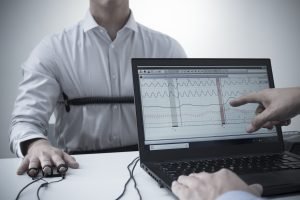
A lie detector test, also known as a polygraph test, is a sophisticated method used to analyse physiological responses to determine whether an individual is being truthful. The polygraph machine measures various physiological changes in the body, such as blood pressure, heart rate, and breathing patterns. These measurements help detect changes in physiological responses when a person is asked a series of questions, which typically include relevant, control, and irrelevant questions.
Polygraph tests are widely used by law enforcement agencies for various purposes, including screening employment applicants, investigating crimes, and monitoring the behaviour of convicted offenders. Despite their widespread use, the accuracy of polygraph tests has been a topic of debate among various organizations, including the National Academy of Science, the US Congress Office of Technology Assessment, and the American Psychological Association. These organisations have raised questions about the reliability of polygraph testing, but it remains a valuable tool in many investigative and employment contexts.
The Role of Countermeasures in Lie Detector Tests
The term “countermeasures” refers to deliberate efforts to manipulate the outcome of a polygraph. These may include:
- Breathing Manipulation: Some examinees attempt to control their breathing patterns to influence test results. However, experienced examiners can quickly spot irregularities.
- Physical Tension: Tensing muscles to alter blood pressure readings is another common tactic. This is easy to detect and, if poorly executed, can worsen the test results.
- Drug Use: While some people believe drugs like Valium or marijuana can help them cheat, they often make test results inconclusive. Furthermore, drowsiness or altered behaviour caused by drug use is noticeable to examiners.
Despite the popularity of such techniques, research shows that countermeasures rarely work. Over years of testing, I’ve observed that even advanced methods have little to no impact on the accuracy of polygraph charts. It is crucial to maintain a consistent demeanour—whether calm or distraught—during the entire test to influence the physiological responses measured by the polygraph.
The Science Behind Polygraph Accuracy
Scientific studies consistently demonstrate that polygraph tests remain highly accurate, even when individuals attempt to cheat. One major experiment involved providing guilty and innocent participants with detailed instructions on polygraph theory, question types, and countermeasure techniques. Despite this preparation, the examiners achieved the same high accuracy rate—95.5%—with both groups. In other words, reading about how to beat a lie detector had no measurable effect.
Another method of lie detection, computer voice stress analysis, is also used to enhance the accuracy of polygraph tests, particularly in civil service and law enforcement recruitment processes.
Even comprehensive resources, such as George Maschke’s “The Lie Behind the Lie Detector,” have been shown to be ineffective for guilty individuals trying to pass. Guilty examinees who studied countermeasure materials were detected at the same rate as those who didn’t.
The findings are clear: while countermeasure information may seem compelling, it does little to impact the reliability of a well-administered polygraph test.
Common Misconceptions About Polygraph Tests
There’s a growing amount of misinformation online about polygraph tests, often fuelled by individuals like George Maschke and Doug Williams, known critics of the industry. While Maschke offers detailed resources and views himself as a crusader against polygraphs, Williams has been accused of profiting from selling overly simplistic countermeasure guides.
A key component of polygraph tests is the use of a ‘control question’ to establish a baseline physiological response. These questions are strategically used to gauge the participant’s normal physiological reactions, which helps in identifying deviations when relevant questions are asked.
Despite their efforts, the reality is that polygraph examiners are well-trained to spot attempts at cheating, and the science backs them up. At professional seminars and training sessions, countermeasures are a common topic, and strategies for detecting them continue to evolve.
Simply put, the notion that polygraph tests are easily beaten is a myth.
Best Practices for Taking a Polygraph Test
The best way to pass a polygraph test is to approach it with honesty and cooperation. Behavioural cooperation is critical to producing accurate and favourable results. Here are some tips for ensuring a smooth polygraph experience:
- Follow Instructions: Listen carefully during the pre-test interview and adhere to the examiner’s guidelines.
- Avoid Overthinking: Excessive anxiety or attempts to manipulate your responses can create irregularities in the data.
- Stay Calm: Trust the process. Polygraph tests are designed to identify truthful individuals, not to trap them. Answering relevant questions truthfully is crucial, as these questions address significant issues related to the test subject’s background or application.
Examiners are trained to address any counterproductive behaviour calmly and professionally. If an examinee struggles to cooperate, additional instructions may be given to help them achieve the best possible test outcome. However, persistent non-cooperation—intentional or otherwise—can lead to complications or inconclusive results.
Body Language and Behaviours
Body language and behaviour are critical components of a polygraph test. Polygraph examiners are trained to observe physical behaviour, eye movement, and other non-verbal cues to help determine if an individual is lying. Some common body language signs that may indicate deception include avoiding eye contact, fidgeting or restlessness, crossing arms or legs, tensing muscles, and biting the tongue or lips.
However, it’s important to understand that these signs alone do not necessarily indicate deception. Polygraph examiners use a combination of physiological responses and behavioural observations to make their determinations. The integration of these two aspects helps ensure a more accurate assessment during the polygraph test.
Medical Conditions and the Lie Detector
Certain medical conditions can significantly impact the results of a polygraph test. For instance, individuals with heart disease, high blood pressure, or anxiety disorders may exhibit abnormal physiological responses that could be misinterpreted as signs of deception. Additionally, medications used to treat conditions such as depression or anxiety can also affect polygraph results.
It’s crucial for individuals with medical conditions to inform the polygraph examiner before the test begins. This disclosure allows the examiner to take any abnormal responses into account. In some cases, a medical professional may be present during the test to monitor the individual’s physiological responses, ensuring that the results are interpreted accurately.
Why Countermeasures Don’t Work: The Research
Two major research studies have examined whether countermeasures can effectively disrupt polygraph results. In both cases, guilty and innocent participants were given access to detailed countermeasure instructions. Despite this preparation, the tests remained accurate. Guilty individuals were identified with the same reliability as those who hadn’t read the materials.
Probable lie control questions are a specific category of questions used during polygraph tests that are designed to induce a physiological response indicative of lying. These questions are not directly related to the subject’s application but are essential for establishing a baseline for comparison with responses to more relevant inquiries.
Even today, with widespread access to online resources, countermeasures have minimal impact on polygraph test accuracy. The science is clear: no amount of preparation or trickery can reliably deceive a skilled examiner using modern techniques.
Common Mistakes to Avoid
When taking a polygraph test, there are several common mistakes that individuals should avoid to ensure accurate results:
- Manipulating Physiological Responses: Techniques such as deep breathing or forced relaxation can create irregularities in the data and are easily detected by the polygraph examiner.
- Failing to Disclose Medical Conditions or Medications: Not informing the examiner about relevant medical conditions or medications can lead to misinterpretation of the results.
- Excessive Nervousness or Anxiety: While some level of nervousness is normal, excessive anxiety can produce abnormal physiological responses that may complicate the test results.
- Dishonesty: Failing to answer questions truthfully can lead to inaccurate results and is likely to be detected by the polygraph examiner.
- Using Countermeasures: Attempting to use countermeasures to beat the test is not only ineffective but can also be detected by the examiner, leading to complications.
Approaching a polygraph test with honesty and calmness, and following the instructions of the polygraph examiner, is essential for achieving accurate and reliable results.
The Key to Passing a Polygraph Test
At the end of the day, the only guaranteed way to pass a polygraph examination is to tell the truth. If you’re innocent, cooperating fully and following the examiner’s instructions will maximize your chances of a favorable result. If you’re guilty, no amount of countermeasures, internet research, or drug use will reliably help you pass.
Polygraph testing is a serious process, and its success depends on both the skill of the examiner and the cooperation of the examinee. For those taking a test, honesty and compliance are your best allies.
Final Thoughts
Polygraph tests are a powerful tool for uncovering truth, but they are not infallible. While countermeasures may seem tempting, they are rarely effective and often make matters worse. The best approach is straightforward: cooperate, remain calm, and tell the truth. Anything else is unlikely to work and could jeopardise your results.