Understanding Polygraph Testing: Everything You Need to Know
Polygraph testing, commonly known as a lie detector test, has become an essential tool in uncovering the truth in various situations. While many have heard of polygraph tests, few truly understand how they work or the science behind them. Used in law enforcement, security screenings, workplace investigations, and even personal matters, polygraph tests are now more accessible than ever. If you’re considering taking or requesting a polygraph test, it’s important to understand how the process works, its reliability, and what to expect.
How Does a Polygraph Test Work?
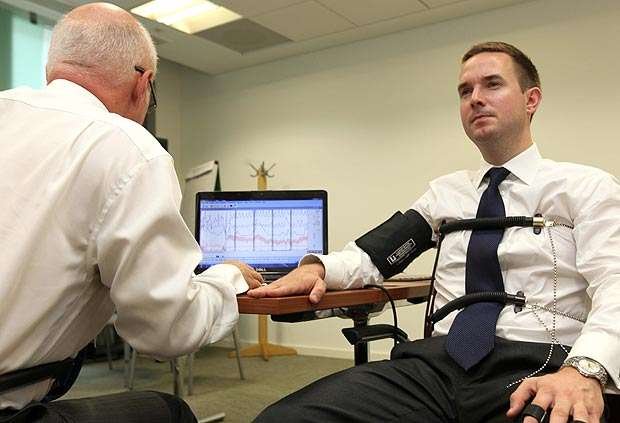
A polygraph test measures physiological signals such as heart rate, blood pressure, breathing patterns, and skin conductivity. These signals are analyzed to detect whether someone is lying. The idea is that lying produces involuntary bodily reactions caused by psychological stress—reactions that are hard to control consciously.
The test begins with a pre-test interview, where the examiner establishes a baseline for your physiological responses. This helps differentiate between normal nervousness and possible signs of deception. During the test, you’ll answer a series of carefully structured questions in a controlled environment. These steps ensure accurate measurements, making polygraph tests a powerful tool for detecting dishonesty.
Are Polygraph Tests Reliable?
When conducted by a qualified and experienced examiner, polygraph tests are highly reliable. Certified professionals are trained to distinguish between natural nervousness and patterns that indicate deception. While some worry that being nervous could skew the results, polygraph examiners are skilled at accounting for this and focus on patterns across the entire test.
Research shows that polygraph tests can deliver accuracy rates of 90% to 98% when performed correctly. However, reliability depends on the examiner’s expertise and the conditions under which the test is conducted. For the most accurate results, always choose a certified and experienced polygraph examiner.
Polygraph testing is also widely used in workplace settings. It can help resolve disputes, investigate misconduct, or verify a candidate’s integrity in industries where trust is crucial. Learn more about polygraph testing in the workplace.
Can You Beat a Polygraph Test?
Many movies and TV shows suggest that polygraph tests can be cheated, but in reality, beating a polygraph test is extremely difficult. Professional examiners are trained to spot common tactics like controlling breathing or creating artificial stress. These attempts are often obvious and can even raise suspicion, making it more likely that deception will be detected.
Years of research have shown that polygraph tests are highly effective at identifying truth and lies. If someone tries to manipulate the results, an experienced examiner will notice inconsistencies in their physiological responses. For situations where honesty is critical, such as confirming trust in relationships, hiring decisions, or investigations, polygraph tests provide reliable insights.
How Long Does a Polygraph Test Take?
A typical polygraph test lasts about three hours, depending on the number of questions and the complexity of the situation. The process includes a thorough pre-test interview where the examiner gathers relevant information and establishes baseline physiological responses. This step is critical for accurate results.
During the test, you’ll answer a series of structured questions while connected to the polygraph machine. Afterward, the examiner will analyze the results and provide a detailed report. While the process may seem lengthy, the thoroughness ensures credible outcomes.
If you’re taking the test, it’s a good idea to prepare by avoiding caffeine, alcohol, or anything that might affect your physiological responses. If you’re requesting the test, you’ll have a chance to discuss your concerns and agree on the questions to be asked.
Applications of Polygraph Testing
Polygraph tests are used in a variety of situations:
- Personal matters: Resolve doubts in relationships or clarify disputes.
- Workplace investigations: Address misconduct, verify employee integrity, or screen candidates in industries where trust is essential.
- Law enforcement and security: Support criminal investigations or assess security clearance candidates.
As their use becomes more widespread, polygraph tests continue to prove invaluable in situations where honesty and accountability are critical.
Key Takeaways
Polygraph testing, or lie detector testing, is a reliable method for uncovering the truth. With the help of a skilled examiner, these tests provide peace of mind and clarity in challenging situations. Whether you’re taking the test or requesting it, understanding how polygraph tests work and their reliability is essential.
To get the most accurate results, always choose a trusted professional with a proven track record. A qualified examiner ensures credible outcomes, helping you resolve important matters with confidence.
If you’re considering a polygraph test or want to find a testing location near you, visit polygraph testing services.