Lie detector test – resourceful devices you should know about
Can You Tell if Someone is Lying? Discover How Lie Detectors Work
Have you ever wondered how to tell if someone is lying? While we all rely on gut instincts to detect dishonesty, these are often unreliable—especially in high-stakes situations like legal disputes, workplace investigations, or criminal interrogations. This is where lie detectors, or polygraphs, come into play. These sophisticated tools use advanced technology to help uncover the truth by analyzing a person’s physiological responses, offering a more objective approach than relying on intuition alone.
What Is a Lie Detector Test?
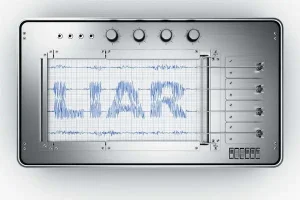
A lie detector test measures physical responses such as heart rate, blood pressure, breathing patterns, and sweat gland activity to assess whether someone is being truthful. During a polygraph test, a trained examiner asks a series of carefully constructed questions while sensors monitor changes in the person’s baseline physiological responses. Large deviations from the baseline during specific questions may indicate that the individual is being deceptive.
It’s important to note that a polygraph doesn’t directly label someone as lying. Instead, the results are analyzed by an examiner who takes into account factors like context, stress levels, and emotional state. Nervousness, for instance, can influence the results, even for someone who is innocent. This makes the examiner’s expertise and the overall test environment crucial for generating accurate and fair assessments.
Lie detector tests have become a trusted tool in various fields, including law enforcement, corporate settings, and even personal disputes. For more details, visit our lie detector test services.
The History of Lie Detector Technology
Humans have sought ways to uncover lies for centuries. Early methods involved observing behavior, speech patterns, or other subjective cues, but these often led to false conclusions. The first major breakthrough in lie detection came in the 1920s when John A. Larson, a medical student and police officer, developed the first polygraph machine. His invention marked the beginning of a new era in deception detection, using scientific principles to measure physiological changes.
Larson’s early polygraph could track multiple biological responses at once, such as changes in heart rate and blood pressure, offering a more reliable way to assess truthfulness. Over time, polygraph technology has evolved significantly. Modern systems now feature highly sensitive sensors, digital recording capabilities, and advanced algorithms that enhance accuracy. Today, polygraphs are used in criminal investigations, pre-employment screenings, and even to resolve disputes in personal relationships. While not flawless, these machines have become an essential tool for uncovering the truth when interpreted by skilled professionals.
How Does a Polygraph Work?
A polygraph machine works by monitoring four key physiological indicators:
- Heart rate: The speed at which the heart is beating.
- Blood pressure: Variations in blood pressure levels during questioning.
- Respiratory patterns: Changes in breathing rate and depth.
- Sweat gland activity (electro-dermal response): How much a person is sweating, which is linked to stress or nervousness.
The process begins with establishing a baseline by asking neutral questions that are unlikely to provoke strong emotional reactions. For example, the examiner might ask, “Is your name John?” or “Are you sitting in a chair?” These responses set a reference point for normal physiological activity. As the test progresses, more specific and potentially stress-inducing questions are asked. The examiner closely monitors any physiological changes in response to these critical questions. Significant deviations from the baseline may suggest dishonesty.
However, it’s important to understand that polygraphs don’t provide a simple “truth” or “lie” reading. The data collected is intricate and requires skilled analysis by a trained examiner. Factors such as anxiety, fear, or even physical conditions can influence the results. A professional examiner interprets the data within the context of the test to provide a well-rounded assessment.
Are Lie Detectors Accurate?
The accuracy of lie detectors has been widely debated. While polygraphs are a valuable tool, they are not infallible. Factors like the examiner’s skill, the test environment, and the examinee’s emotional state can all impact the results. Advanced modern systems have improved reliability, but no tool is perfect. Polygraphs are most effective when used as part of a broader investigative process, rather than as standalone evidence.
Studies have shown that polygraphs can achieve accuracy rates of 80-90% when conducted by experienced professionals under controlled conditions. However, false positives (when truthful people are flagged as deceptive) and false negatives (when dishonest individuals pass the test) can still occur. This is why it’s essential to work with a qualified examiner who can interpret the data accurately.
When Are Lie Detectors Used?
Lie detectors are widely used across various industries and situations, including:
- Criminal Investigations: Polygraph tests are often used in legal cases to assess the credibility of witnesses or suspects. They can help investigators gather additional insights when evidence is limited.
- Employee Screenings: Certain roles, especially in law enforcement, security services, and government agencies, may require pre-employment polygraph tests to ensure candidates meet ethical and reliability standards.
- Personal Disputes: In some cases, lie detectors are used to resolve trust issues in relationships or settle disputes between individuals.
- Corporate Investigations: Companies may use polygraphs during internal investigations to address fraud, theft, or other misconduct.
While polygraphs are not admissible as evidence in all courts, they remain a valuable investigative tool in many circumstances.
Should You Use a Lie Detector Test?
Lie detector tests can provide valuable insights, but they should always be conducted by qualified professionals. The combination of state-of-the-art polygraph technology and expert interpretation ensures the most accurate results possible. Whether you’re dealing with a legal case, workplace concern, or personal matter, a properly administered polygraph test can offer clarity and peace of mind.
If you’re considering a lie detector test, explore our services to learn more: Lie Detector Test Services.
Final Thoughts on Lie Detectors
Lie detectors have come a long way since their invention, evolving into a trusted tool for truth verification in a variety of fields. By blending advanced technology with expert analysis, polygraph tests provide a scientific and objective way to assess honesty. While they aren’t perfect, they remain an important resource for uncovering the truth when used responsibly. If you’re considering using a lie detector test, make sure to work with experienced professionals to ensure accurate, reliable, and fair results.