
North Yorkshire Police Employ Lie Detector Tests to Target Sex Offenders
North Yorkshire Police have incorporated lie detector tests into their strategy to monitor and manage sex offenders. Advocates praise the polygraph as a valuable tool for identifying and tracking potential offenders, while critics question its reliability and accuracy.
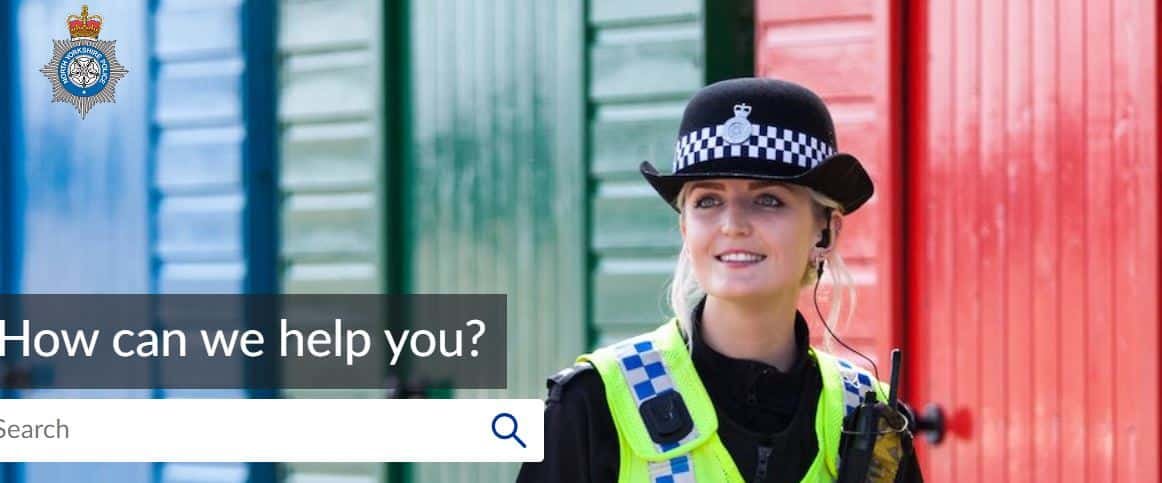
North Yorkshire Police Utilise Lie Detector Tests to Target Sex Offenders
North Yorkshire Police have adopted lie detector tests as part of their strategy to address and reduce sex crimes in the region. This cutting-edge technique, introduced under Operation Resolve, represents a significant step forward in leveraging technology to enhance investigations and ensure justice is served. Polygraph tests, commonly referred to as lie detectors, work by monitoring physiological responses—such as heart rate, blood pressure, and skin conductivity—while suspects answer a series of carefully crafted questions. This advanced method helps officers identify inconsistencies and potential deceit, narrowing down suspects and focusing resources where they are needed most. The initiative is helping to fast-track investigations, reduce workloads, and improve outcomes in cases that often demand swift intervention.
A Proven Tool for Safeguarding
At a recent public accountability meeting with the North Yorkshire Police, Fire, and Crime Commissioner, Heather Whorriskey, head of safeguarding, provided updates on the impact of this initiative. Since its launch in October 2020, the force has successfully conducted polygraph tests on 87 occasions as part of its approach to tackling sex crimes. Ms. Whorriskey highlighted how the technology has played a crucial role in identifying risks, uncovering previously hidden offences, and providing law enforcement with actionable intelligence. These instances include uncovering ongoing offending behaviors that may have otherwise been missed, as well as identifying individuals who pose a significant risk to vulnerable members of the community. She praised the polygraph tests for their efficiency and effectiveness, calling them an essential tool in protecting at-risk populations and holding offenders accountable for their actions.
Scaling Up Efforts
North Yorkshire Police are now expanding the use of polygraph technology, with 13 additional tests already scheduled in the next three weeks alone. This scaling up of efforts signals the force’s confidence in the method’s success and its value in tackling serious crimes. According to Det Supt Whorriskey, the tests have consistently demonstrated their worth as a “valuable tool” in uncovering critical evidence and improving law enforcement’s ability to respond to complex cases. She emphasized that the technology not only helps identify offenders but also serves as a deterrent for those who might otherwise seek to exploit vulnerabilities in the system. The force remains committed to exploring and adopting innovative strategies to enhance community safety and deliver justice to victims and their families.
The Value of Advanced Technology
Ms. Whorriskey also spoke about the long-term benefits of polygraph technology, highlighting its cost-effectiveness and overall value to law enforcement. “It’s absolutely value for money,” she stated, pointing out that the initial investment in the equipment and training is outweighed by the benefits it provides in preventing crimes and streamlining investigations. Polygraph tests have allowed officers to uncover hidden risks and prevent possible future offences, ultimately saving valuable resources that would otherwise be spent on more prolonged investigations. The use of such advanced tools reflects North Yorkshire Police’s commitment to staying ahead of criminal activity by adopting innovative approaches that enhance their operational effectiveness.
Addressing Criticism
Despite its many advantages, polygraph testing continues to attract criticism. Some skeptics question the accuracy and reliability of the tests, arguing that they may lead to false confessions, misinterpretations, or even implicate innocent individuals. While the method has been shown to be effective in many cases, there is no denying it carries an element of risk. Critics point out that physiological responses can sometimes be influenced by factors other than dishonesty, such as anxiety or nervousness, which could result in misleading results. Due to these concerns, experts stress the importance of using polygraph results in conjunction with other forms of evidence rather than relying on them as standalone proof.
The Debate Continues
The use of lie detector tests raises broader questions about the fairness, reliability, and ethics of incorporating such technology into law enforcement practices. While many see the polygraph as a game-changing tool for uncovering the truth, others argue it may overstep ethical boundaries or lead to unintended consequences. As North Yorkshire Police continue to integrate polygraph tests into their investigations, the debate intensifies over whether the benefits outweigh the risks. Balancing innovation with ethical considerations remains a key challenge as law enforcement agencies adopt more advanced techniques to combat crime.
This conversation invites a broader discussion on how policing can evolve responsibly while maintaining public trust. What’s your perspective on this new approach? Do polygraph tests represent an effective way to tackle crime, or do they present more challenges than solutions?
For an even deeper dive into this topic, check out the blog on UK Police Polygraph to learn more about the role of polygraph examiners in modern law enforcement.