
Trust: The Foundation of Relationships
Trust is the cornerstone of any strong relationship—the glue that keeps partners connected through life’s ups and downs. It fosters security, emotional intimacy, and a sense of stability, allowing couples to navigate challenges together. But what happens when that trust is shaken? Situations like a lack of communication, unexplained behavior, or subtle signs raising doubts about infidelity can create cracks in the foundation. Whether it’s real or perceived, a breach of trust can erode emotional connection, create distance, and foster a lingering fear of commitment or vulnerability.
It’s important to recognise that suspicions of infidelity or dishonesty are not always grounded in reality. However, the feelings of doubt and insecurity caused by these suspicions can feel just as damaging as actual betrayal. Rebuilding trust is critical to healing, and for some couples, taking action is key to moving forward. In certain cases, a lie detector test has proven to be a helpful tool to address trust issues head-on. By providing clear answers, it can bring clarity, restore peace of mind, and help couples work through difficult situations.
A simple test can help uncover the truth, whether it confirms suspicions or lays them to rest. For many couples, confronting their fears and gaining clarity becomes a turning point, offering a path for either reconciliation or resolution.
The Lie Detector Test: What to Expect
If you and your partner decide to take this step, understanding the polygraph process can help ease anxiety and ensure you’re fully prepared. Finding a qualified and experienced examiner is essential, as the accuracy of the test depends greatly on the skill of the professional conducting it. Reputable providers often offer consultations to guide you through the process, ensuring both parties feel comfortable and informed before proceeding.
During the initial consultation, you and your partner will discuss the concerns or incidents that have led to the decision. The examiner will work with you to develop tailored questions designed to address the specific doubts in your relationship. This ensures the test is relevant, focused, and as effective as possible in addressing your unique situation.
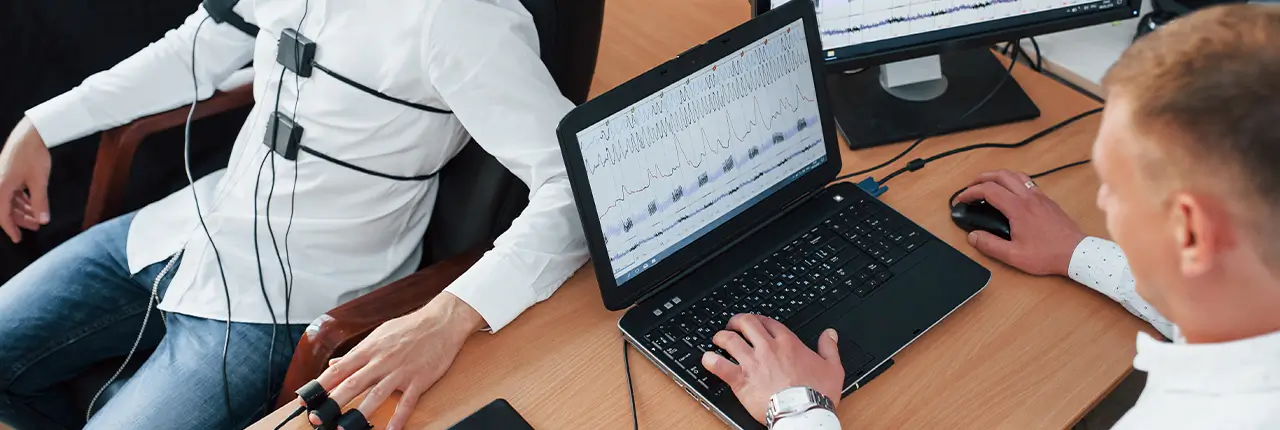
The polygraph process typically takes a few hours, including pre-test preparation, the test itself, and a post-test discussion of the results. Before the test begins, the examiner will explain the procedure in detail, answer any questions, and establish baseline readings to ensure accuracy. The actual test involves a series of carefully structured questions designed to elicit physiological responses, which are then analysed to determine consistency or deviations from the baseline.
Transparency and professionalism are crucial throughout the process. Reputable examiners prioritize creating a safe, non-judgmental environment where both parties feel at ease. Once the test is completed, the examiner will review the results with you, providing a detailed explanation of their findings. Whether the test confirms suspicions or dispels them, this moment of truth can be pivotal in deciding the next steps for your relationship.
Finding the Truth
While no test can instantly repair a broken relationship, uncovering the truth is often the first and most crucial step toward healing. A polygraph test can help determine if suspicions are justified or misplaced, providing a clearer picture of the situation. By establishing a baseline truth, couples can begin addressing the root causes of their issues, free from the shadow of uncertainty.
If the test reveals that your concerns were unfounded, it offers reassurance and opens the door to rebuilding trust with renewed confidence. On the other hand, if dishonesty is uncovered, it provides clarity to make informed decisions about the future of the relationship. Whether this means working together to resolve underlying issues or choosing to part ways, knowing the truth allows you to move forward with confidence and purpose.
It’s worth noting that certain medical conditions, such as heart disease, anxiety disorders, or neurological issues, can affect polygraph results due to the physiological stress they cause. Consulting a doctor before proceeding can help ensure the test results are as accurate and reliable as possible. Additionally, choosing a well-established and professional polygraph provider is key to achieving trustworthy results.
The Emotional Impact of Trust Issues
Trust issues can take a significant emotional toll on both partners, often creating a cycle of doubt and insecurity that feels impossible to break. For the person harboring suspicions, living in a state of uncertainty can lead to anxiety, sleepless nights, and a constant sense of unease. Over time, these feelings can erode self-esteem and create emotional distance in the relationship.
For the partner being suspected, constant doubt can feel like a lack of respect or an attack on their character. This dynamic often leads to frustration, resentment, and arguments, further deepening the divide. The emotional strain of trust issues can cloud judgment, making it harder to approach the situation rationally or take productive steps toward resolution.
A lie detector test isn’t just about getting answers—it’s about breaking this cycle of doubt and emotional strain. By bringing clarity to the situation, it allows both partners to focus on what truly matters: either rebuilding a stronger relationship together or finding the strength to move forward separately. Confronting the truth, while difficult, can lead to emotional relief and pave the way for healing, no matter the outcome.
Taking the Next Step
Rebuilding trust after it has been broken takes time, effort, and commitment from both partners. It’s a process that requires open communication, vulnerability, and a shared determination to move forward. If you’re ready to address the doubts in your relationship, seeking the help of a specialist could be the first step toward resolution. A broken trust doesn’t have to mean the end of a relationship—it can signify the beginning of a new chapter built on honesty, understanding, and mutual respect.
When considering a lie detector service, it’s essential to do thorough research. Look for a company that prioritizes accuracy, professionalism, and client confidentiality. Read reviews, ask questions, and ensure you feel comfortable with the provider you choose. A reliable and skilled examiner can make all the difference in ensuring a positive experience and trustworthy results.
Addressing trust issues is never easy, but it can be incredibly empowering. By exploring tools like a lie detector test, you may gain the clarity you need to move forward—whether that means restoring trust, working on your relationship, or deciding to part ways. Whatever the outcome, confronting the truth allows you to take control of your emotions and make decisions with confidence.
If trust is the missing piece in your relationship, don’t let fear or doubt hold you back. Consider a lie detector test as a way to find clarity, rebuild trust, and create a future built on honesty, understanding, and mutual respect. Taking that first step toward resolution could be the turning point that changes everything—for the better.