
What Exactly Happens During A Lie Detector Test?
If you’re a fan of detective TV shows, you’ve likely seen scenes where lie detectors are used to uncover the truth. These devices, also known as polygraphs, are often employed to determine if someone is being truthful or deceptive. But how accurate are they? What really happens before, during, and after a lie detector test? This article dives into these questions to help you better understand the process, its intricacies, and how to prepare for one if you ever find yourself in need of one.
Finding the Right Examiner
No matter the reason for seeking a polygraph test, choosing a qualified and experienced examiner is crucial. A skilled professional ensures the test is as accurate and reliable as possible. Take time to research and select someone with a strong reputation in the field. Look for certifications from reputable organizations like the American Polygraph Association (APA), as these demonstrate a commitment to ethics and rigorous training. The examiner’s expertise and professionalism can make all the difference in the test’s outcome and your overall experience. A trustworthy examiner will also take the time to explain the process and answer your questions before the test begins.
The Three Phases of a Polygraph Test
A polygraph test typically lasts up to three hours and consists of three distinct phases that work together to ensure precision and transparency:
1. The Pre-Test Phase
The pre-test phase lays the groundwork for the entire process. It’s designed to help the examinee become familiar with the polygraph setup, the way the test will be conducted, and the types of questions they’ll be asked. During this stage, the examiner may review and discuss some of the test questions with the examinee to ensure they are easy to understand and relevant to the focus of the test. This phase also includes collecting background information about the examinee and the situation at hand to ensure the questions are framed properly. It’s also a chance for the examinee to ask any questions they may have and address any concerns or anxieties.
2. The Testing Phase
This is the core of the process, where the actual test is conducted. During the testing phase, the examinee is connected to the polygraph device, which monitors physiological responses to the questions being asked. These responses are measured using tools like breathing tubes, blood pressure cuffs, and sensors placed on the body. The device records changes in heart rate, blood pressure, breathing patterns, and skin conductivity—factors that can indicate truthfulness or deception. The examiner will ask a series of carefully prepared yes-or-no questions, each designed to elicit clear and measurable responses. These questions are not random; they are crafted based on the pre-test interview to ensure they are straightforward and relevant.
3. The Interpretation Phase
Once the questioning is complete, the examiner detaches the equipment and begins analyzing the data collected during the test. This phase involves interpreting the physiological responses to determine whether the examinee was truthful. The examiner uses data from multiple charts recorded during the test to ensure accuracy. If necessary, they may consult with another certified examiner for a second opinion. Once the analysis is complete, the examiner provides a report that includes their findings and conclusions. This report is often shared with the examinee or the person requesting the test, depending on the situation.
Preparing for the Test: What to Expect
Proper preparation is essential for a smooth and successful polygraph test. Here’s what you should keep in mind before your appointment:
- Avoid alcohol or illegal substances for at least 24 hours before the test, as these can interfere with the accuracy of the results. If you’re on prescription medication, inform the examiner in advance to discuss any potential impact on the test.
- Get a good night’s sleep. Feeling well-rested will help you stay calm and focused during the process. Fatigue or stress can affect your physiological responses, which could make the results harder to interpret.
- Know the logistics. Before the test, you’ll receive details about the location, contact information, and any specific instructions. If you’re running late or have any issues, notify the examiner as soon as possible to avoid disruptions.
- Have a light, balanced meal on the day of the test. Being hungry or overly full can impact your comfort and focus, so aim for a healthy middle ground.
When you arrive, you’ll be asked to complete consent forms and answer some preliminary questions. The examiner will then conduct a pre-test interview to discuss the focus of the test, formulate the questions, and ensure you’re comfortable with them. These questions will be based on objective facts, clearly worded, and structured for simple yes-or-no answers. Transparency is key during this phase, and all interactions remain confidential.
The Testing Process: Step by Step
Once the pre-test phase is complete, you’ll move on to the actual testing process. Here’s how it works:
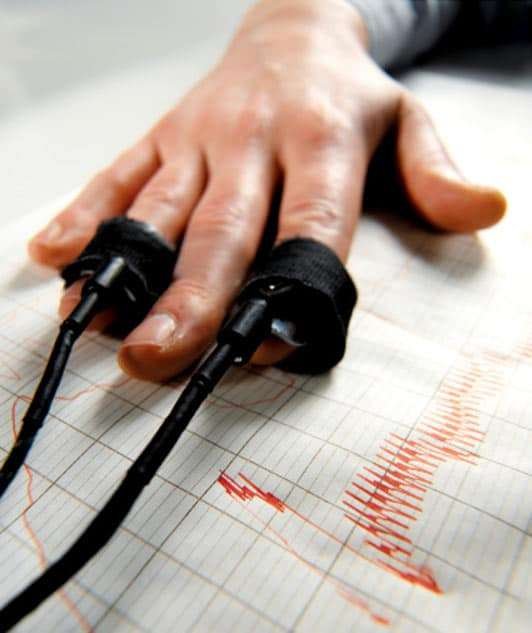
- The examiner will attach the polygraph sensors, which may include a blood pressure cuff, breathing tubes, and small sensors placed on your fingertips. These devices are designed to record physiological changes as you respond to questions.
- A brief practice test is conducted to ensure you understand the process and are comfortable with the equipment.
- During the test, the examiner will ask a minimum of three sets of yes-or-no questions, repeating them in varied orders to capture consistent data. Each chart recorded during the test is analyzed to create an average score, ensuring the results are as accurate as possible.
After the test is complete, the examiner will review the data, which usually takes 20–30 minutes. If a second opinion is needed, you’ll be informed. Once the analysis is finalized, the examiner will provide you with the results and a detailed report.
A Confidential and Transparent Experience
The entire polygraph process is designed to be confidential and fair. The test is often recorded on video to ensure transparency and protect both the examinee and the examiner. However, this footage remains private and is used only for reference if necessary. During the pre-test phase, the examiner will explain the data retention policy and how your information will be stored. Open communication is encouraged, so you’ll have every opportunity to discuss concerns or ask questions before the test begins.
It’s important to remember that polygraph tests are not meant to trap you or trick you. Their primary purpose is to verify the truth of your statements. You’ll know every question in advance, and no surprise topics will be introduced during the test.
Passing the Test: Honesty is Key
Passing a lie detector test is straightforward—simply be honest. The questions are designed to confirm the truth of your statements, and the more truthful you are, the more relaxed your body will be. Deception, on the other hand, often leads to increased stress, which can become evident in the physiological data. By remaining truthful, you’ll not only increase your chances of passing but also feel more at ease throughout the process.
When the test is over, you’ll receive a clear explanation of the results and what they mean. Honesty ensures a clean slate and sets the foundation for any future tests you may need to take.
Conclusion
A polygraph test, when conducted by a skilled examiner, can be a reliable tool for verifying the truth. The process is structured, transparent, and designed to ensure fairness for everyone involved. If you’re considering taking or requesting a test, always work with a certified and experienced professional to guarantee accurate and trustworthy results. At the heart of a successful polygraph test lies one simple rule: honesty. By understanding the process and knowing what to expect, you’ll be well-prepared for a smooth and stress-free experience.