
What is a Polygraph or Lie Detector Test?
Demystifying the Lie Detector Test: How Does It Work?
If you’ve ever tuned into daytime television, chances are you’ve seen shows like The Jeremy Kyle Show, where lie detectors are dramatically used to confirm or refute accusations of deception. These tests often revolve around emotionally charged topics like infidelity, theft, or other disputes, making for sensationalized TV drama. But aside from their entertainment value, few people truly understand what a lie detector, or polygraph, involves or how it operates.
The polygraph is often misrepresented as a machine that “knows” when someone is lying. In truth, the process is more complex and scientific, involving the measurement of physiological changes in the body that may arise when a person is under stress. This article aims to strip away the mystery surrounding this technology, explaining the science behind polygraphs, the equipment used, the role of the examiner, and how results are interpreted. By understanding its mechanics and limitations, we can better appreciate what this tool is—and isn’t—capable of.
What Is a Polygraph?
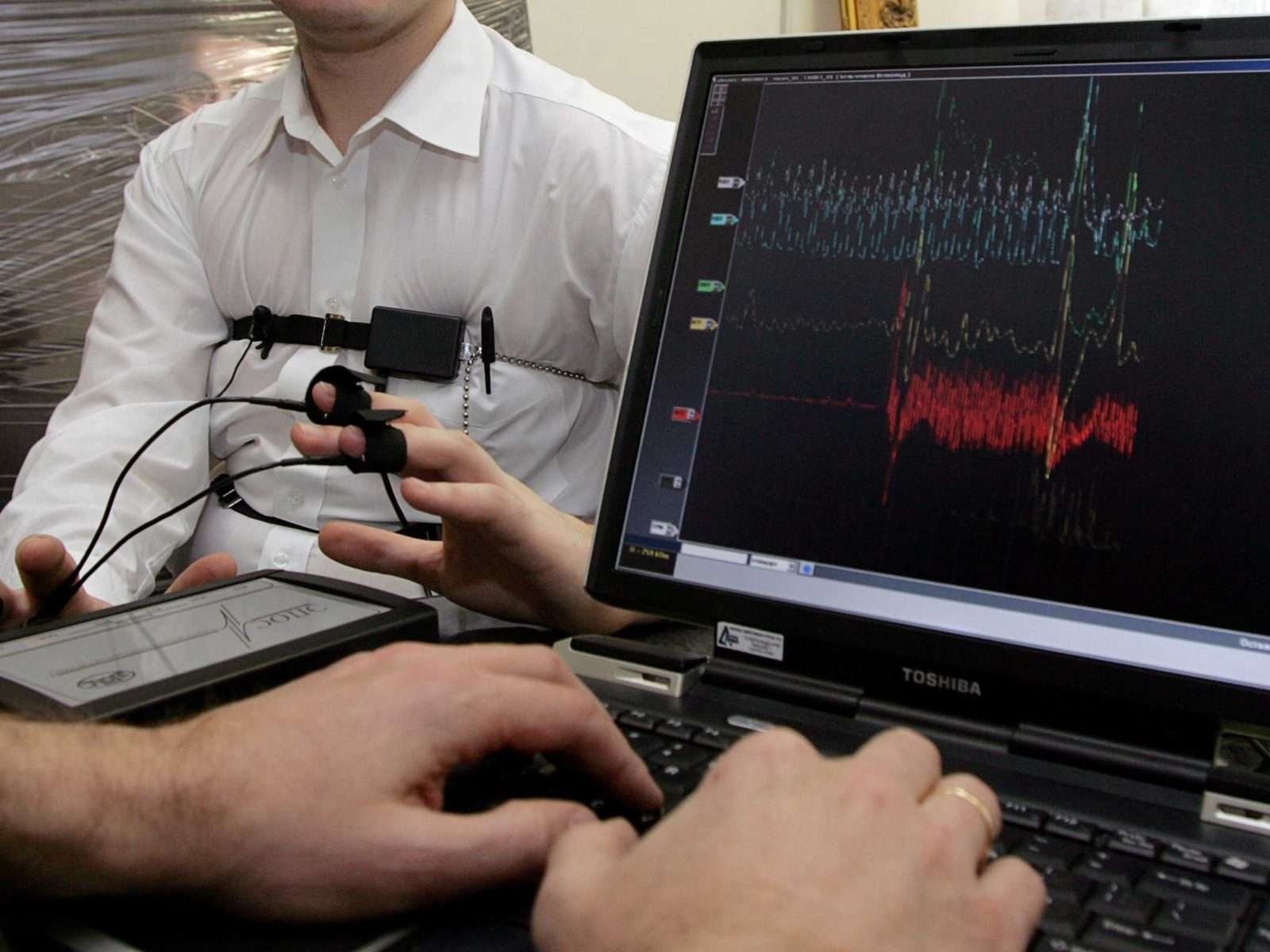
A polygraph, often referred to as a lie detector, is a device that measures and records physiological responses such as breathing, blood pressure, heart rate, and sweating. These involuntary reactions can change when a person is under stress, such as when they are being deceptive. However, despite its nickname, a polygraph doesn’t detect lies. Instead, it measures variations in physiological responses that may indicate dishonesty.
For example, when someone lies in a stressful situation, their body may react with faster breathing, a rising heart rate, or increased perspiration. These physical responses are involuntary and cannot be consciously controlled, which is why they are used as indicators of possible deception. However, the polygraph is not foolproof and relies heavily on proper interpretation by a skilled examiner, as well as the context of the questions asked.
The Equipment
The polygraph machine is made up of several key components, each designed to monitor specific physiological responses. These components work together to provide a comprehensive picture of the subject’s physical state during questioning.
Pneumograph: Two elastic tubes are wrapped around the subject’s chest and abdomen to measure breathing patterns. Changes in breathing rate—such as speeding up, slowing down, or pausing—can suggest stress or deception. For example, a person might unconsciously hold their breath or take shorter breaths when feeling anxious about a question.
Blood Pressure Cuff: Similar to those used in medical settings, the cuff is placed around the subject’s upper arm. It measures fluctuations in blood pressure and heart rate, which often spike when someone is lying. These changes are significant because they are difficult to fake or suppress.
GSR Skin Sensors: These small sensors are attached to the fingertips to measure sweat levels, known as galvanic skin response (GSR). Sweating is a natural, involuntary reaction to stress and can signal dishonesty. Even a small increase in perspiration can be detected by the sensors, making this a key component of the test.
Plethysmograph: This component measures blood volume changes, another indicator of stress or heightened emotional states. It works in conjunction with the blood pressure readings to track subtle shifts in circulation that may occur when someone is nervous or lying.
Monitor: All the physiological data collected by the machine is recorded and displayed, traditionally on paper or, more commonly today, on a computer screen. The examiner interprets these results to identify patterns that may suggest deception. Modern polygraph machines often include software that assists in data analysis, making the process more efficient and accurate.
The Role of the Examiner
The most crucial part of any polygraph test is the examiner. Even the most advanced equipment is meaningless without a skilled professional to interpret the results. A trained examiner evaluates the data collected during the test, observes the subject’s non-verbal cues, and considers the context of the situation. Combining this information, the examiner makes an informed judgment on whether the subject is being truthful.
Examiners typically undergo extensive training to learn how to conduct tests, analyze data, and minimize errors. They also learn how to establish rapport with the subject to create a neutral and non-threatening environment. This is important because an overly nervous or defensive test subject can produce unreliable results.
An inexperienced examiner, however, can compromise the accuracy of the test. Misinterpreting data or failing to account for the subject’s baseline anxiety can lead to incorrect conclusions. That’s why it’s essential to work with highly trained professionals when conducting a polygraph test.
How Does a Polygraph Test Work?
During a polygraph test, the subject is asked a series of questions while connected to the machine. These questions are carefully structured to establish a baseline for the subject’s normal physiological responses when telling the truth. For example, the examiner may ask, “Is your name [insert name]?” or “Are you 30 years old?” These questions are straightforward and factual, helping the examiner identify the subject’s typical reactions.
The examiner then moves on to “relevant” questions, such as, “Did you take the money from the drawer?” or “Have you ever lied to your partner?” If the subject answers truthfully, their physiological responses will remain consistent with the baseline. However, if they lie, the changes in their body’s reactions—recorded by the polygraph—may indicate deception.
In addition to analyzing the physiological data, the examiner carefully observes the subject’s body language and verbal tone. Subtle cues, such as avoiding eye contact or hesitating before answering, can provide additional context to the results.
Can a Polygraph Really Detect Lies?
Strictly speaking, no. A polygraph doesn’t directly “detect” lies or read minds. The term “lie detector” is a media invention that oversimplifies how the technology works. The polygraph measures physiological changes that occur when a person is under stress or pressure. These changes are not proof of dishonesty but can suggest it when evaluated alongside the context of the questions.
Critics often argue that being nervous during a test can skew the results. While this is true, a skilled examiner focuses on identifying patterns and differences in responses, not just baseline anxiety. A truthful person may be nervous throughout the test, but their physiological responses will remain consistent when answering honestly. In contrast, a deceptive person will show distinct spikes during specific questions.
The Misconceptions About Polygraphs
The polygraph is often portrayed as a mysterious device capable of uncovering secrets with absolute certainty. In reality, it’s a scientific tool that relies on measurable physical reactions. It’s not intimidating or invasive, and a professional examiner conducts the process in a judgment-free, confidential manner. Test results are strictly private and will not be shared without the subject’s explicit consent.
Lie Detector Testing in the UK
If you’re considering a polygraph test, we offer nationwide lie detector services in the UK, with popular locations including London, Birmingham, Liverpool, and Kent. Our skilled professionals ensure accurate and reliable results, whether you need testing for personal, professional, or legal matters.
Want to learn about costs? Read more about the price of a lie detector test for infidelity.
Final Thoughts
A polygraph test is not magical or mysterious—it’s a scientific process grounded in the measurement of involuntary physical responses. While not infallible, it’s a useful tool when conducted by skilled professionals. By understanding how it works, you can approach the process with greater confidence and clarity. So, if you’re seeking answers, rest assured that the polygraph, when used correctly, is far less daunting than it may seem.