
Theft or Fraud Concerns
Dealing with missing money, stolen property, an unauthorised transaction or a fraud-related concern?
Lie Detectors UK provides private, examiner-led lie detector testing for theft and fraud matters where clear, fact-based questions are needed.
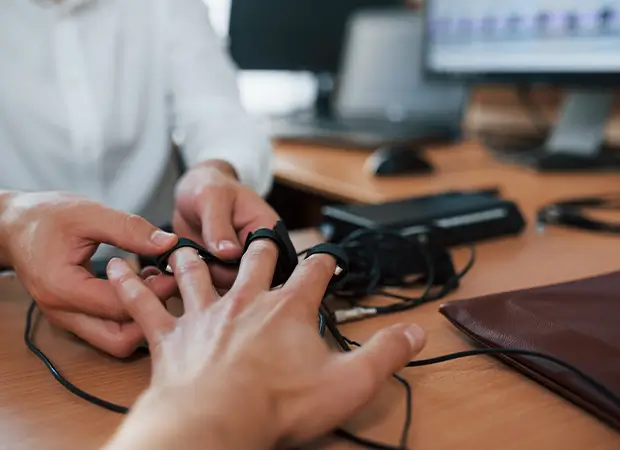
Theft and fraud concerns can affect families, workplaces and businesses quickly, especially when there is missing money, stolen property, an unauthorised transaction or an item with emotional or sentimental value.
Before booking a lie detector test for theft or fraud, it may help to tell the person or people involved that a test is being considered. In some circumstances, this can lead to an admission, refusal or further discussion before an appointment is needed.
Where a test is suitable, the examination focuses on clear factual questions about the specific issue. These may relate to whether someone took an item, handled missing money, made an unauthorised transaction or was involved in a defined incident.
The examiner helps narrow the concern to specific questions that can be examined properly rather than broad accusations, assumptions or questions about someone’s general character.
Your enquiry, examination details, polygraph results and written report are handled confidentially.
A theft or fraud polygraph test can examine a specific statement linked to the incident, such as whether a person took particular property, handled missing money or carried out an unauthorised transaction. The examination should remain focused on the specific issue rather than trying to determine whether someone is generally truthful.
Where an innocent person denies involvement in a theft or fraud concern, a polygraph examination can provide a structured way to respond to the allegation. The result should not be described as legal proof of innocence. Polygraph evidence should be considered alongside other evidence and information relevant to the circumstances.
A written report may support a private discussion, workplace investigation or wider decision-making process. A polygraph test does not replace a police investigation, criminal investigation, legal advice or formal evidence. If a suspected crime has been reported to the police or is connected to criminal proceedings, appropriate legal advice should be obtained.
The questions should focus on a specific factual issue, not broad suspicion, emotion or guesswork. A test will usually focus on up to three relevant questions.
They should be:
Accuracy
Before testing begins, the polygraph examiner conducts a pre-test interview and reviews the circumstances of the theft or fraud concern.
The examiner explains the process and prepares the relevant questions with the person taking the test. The questions are agreed before the examination begins.
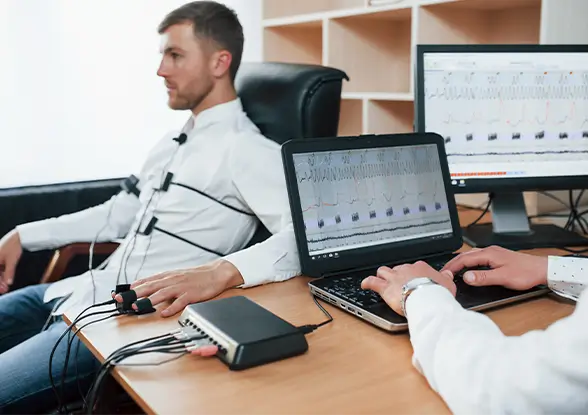
During the examination, the polygraph machine records physiological responses while the person answers the agreed questions.
The equipment records changes including breathing patterns, cardiovascular activity, blood pressure and skin conductivity.
A polygraph does not directly measure a lie or determine guilt. The examiner reviews the recorded physiological responses as part of the complete examination and recognised testing procedure.
After the examination, the examiner reviews the recorded data and explains the polygraph result.
A written report is provided after the test and records the questions examined and reported outcome.
Please allow around two hours for the complete appointment.
Clients often contact Lie Detectors UK during sensitive personal, relationship, or workplace situations. These reviews highlight the communication, professionalism, and care our clients experienced during the process.
For disputes involving business partners, staff, internal conflict, suspected dishonesty or a specific commercial concern.
For someone responding to a specific accusation they deny and want examined through clear, factual questions.
For employment screening concerns that are not limited to a specific theft or fraud allegation.
For investigator-led enquiries or cases where a polygraph examination forms part of a wider private or corporate investigation.
For solicitor, court-related or legal-use questions where you need to understand how a private report may fit into a wider legal situation.
No. A lie detector test can examine responses to specific questions about a theft or fraud allegation, but it does not independently determine who committed a crime.
The result may provide additional information for a private or workplace investigation, but it should be considered alongside other evidence and should not be treated as legal proof of guilt or innocence.
No polygraph examination is 100% accurate. False positives, false negatives and inconclusive results can occur.
For that reason, polygraph results should not be treated as the sole basis for determining whether a person committed theft or fraud.
A polygraph test should not be presented as an infallible method of detecting deception.
The examination records physiological responses during structured questioning. The examiner reviews those responses using the appropriate testing procedure, but the polygraph machine does not independently determine whether every answer is truthful or deceptive.
Yes. The person taking the test must agree to participate before the examination can go ahead.
Yes, where suitable. If several people are involved in a theft or fraud concern, the arrangements can be discussed before booking.
Each person must agree to participate, and each examination should remain focused on clear, relevant questions about the specific issue.
Questions should be based on facts rather than emotions or general suspicion.
They may address whether someone took a particular item, handled missing money, made an unauthorised transaction or was involved in a defined incident.
A test will usually focus on up to three relevant questions.
Yes. A written report is provided after the test and handled confidentially.
No specialist preparation is normally required because the examiner will explain the process.
The person taking the test should not consume alcohol or use illegal drugs for at least 12 hours before the appointment.
If you are dealing with missing money, stolen property, an unauthorised transaction or a specific fraud-related concern, contact Lie Detectors UK to discuss whether a lie detector test is suitable.