Lie Detection Services: Beware of Fake Reports
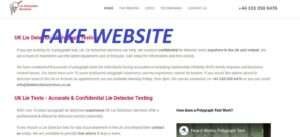
“Lie Detection Services” and the so-called “Tony Clayton” are entirely fictitious. This fraudulent scheme preys on unsuspecting individuals by charging £250 for fake lie detector reports, backed by a website deliberately designed to appear semi-legitimate. Sadly, many people have been misled into believing these fabricated reports are authentic, often resulting in emotional distress and broken trust.
A recent case highlights the dangers of such scams. A vigilant woman contacted us after her partner presented her with one of these phony reports, claiming it proved his innocence. At first glance, the document appeared formal, but closer inspection revealed inconsistencies that raised her suspicions. Determined to uncover the truth, she reached out to the Secretary of the UK Polygraph Association, who confirmed the report to be fraudulent.
This example illustrates how far some individuals may go to conceal the truth. While the intention may be to protect oneself or salvage a situation, dishonesty only exacerbates the problem. By resorting to a fake lie detector report, this man not only lost his credibility but likely also his partner’s trust—a critical foundation of any relationship.
How to Identify and Avoid Fake Lie Detector Reports
If you’re considering a polygraph test, it’s vital to ensure that the service you choose is legitimate. Scammers like “Lie Detection Services” exploit vulnerable individuals during emotionally charged situations, and their tactics can be convincing. Here’s how you can protect yourself from falling victim to these schemes:
1. Verify the examiner’s credentials
Always confirm the credentials of the polygraph examiner. Reputable examiners are typically members of trusted organizations such as the American Polygraph Association (APA) or the UK Polygraph Association (UKPA). These listings ensure the examiner has undergone rigorous training, certification, and adheres to strict ethical standards. If an examiner’s name doesn’t appear in these databases, consider it a red flag.
2. Examine the report carefully
A legitimate polygraph report is thorough, professional, and conducted with transparency. Qualified examiners will encourage both parties involved to attend the test session whenever possible. If you receive a report out of the blue, without prior knowledge of the test or an invitation to observe the process, it’s likely a forgery. Request additional details if something seems off, and don’t hesitate to question its authenticity.
3. Watch out for fraudulent providers
Scammers like “Lie Detection Services” rely on deceptive tactics to appear legitimate. They often create professional-looking websites, use fake phone numbers, and fabricate credentials. While they may initially respond to questions or challenges about their validity, they typically avoid direct contact, such as phone calls, to maintain their façade. Trust your instincts—if something feels suspicious or too good to be true, investigate further.
4. Pay attention to pricing
Fraudulent services often lure victims with unusually low prices for what appears to be a “quick and easy” solution. While legitimate polygraph tests aren’t cheap, they reflect the expertise, time, and professionalism required to conduct an accurate and ethical examination. If the price seems too low, it’s another warning sign.
Fake lie detector reports, like those linked to “Lie Detection Services” or “Tony Clayton,” are designed to exploit trust and manipulate emotions during sensitive situations. We understand how distressing and damaging this can be, which is why we strongly urge you to thoroughly research any polygraph service before engaging with them.
Why Choosing Qualified Examiners Matters
Polygraph tests can have significant consequences, making it essential to choose a provider you can trust. A skilled and qualified examiner not only ensures the accuracy of the test but also upholds ethical practices, providing you with confidence in the results.
In the UK, always verify that your examiner is a member of the UK Polygraph Association (UKPA). UKPA membership guarantees that the examiner has undergone thorough training and adheres to strict professional standards. Similarly, the American Polygraph Association (APA) ensures examiners meet the highest international standards in polygraph testing.
At Lie Detectors UK, all our examiners are members of both the APA and UKPA. This dual membership ensures we provide the highest quality polygraph services, conducted with accuracy, professionalism, and integrity. We understand the sensitive nature of these situations and are committed to delivering results you can trust.
If you need a verified polygraph test, don’t take unnecessary risks with unqualified or deceptive providers. Research your options, verify credentials, and ask the right questions before proceeding. A genuine polygraph test is a powerful tool for uncovering the truth—but only when conducted by an experienced professional.
For more information, advice, or to schedule a reliable polygraph test, contact us here. We’re here to guide you through the process with confidence, professionalism, and integrity.