Measurement Theory and Lie Detection
Understanding the Science Behind Lie Detection and Polygraph Tests
The topic of lie detection often sparks intense debate, particularly when it comes to the accuracy and scientific validity of polygraph tests. Critics frequently argue that lies cannot be directly measured, casting doubt on the reliability of polygraphs. However, this conclusion often oversimplifies a complex issue. Many scientific disciplines quantify phenomena that cannot be directly observed, and polygraph testing is no exception. While polygraphs do not directly measure lies, fear, or specific emotions, they record physiological responses such as changes in heart rate, respiration, and skin conductivity that often correlate with deception or truth-telling. The science of polygraphs lies in identifying and interpreting these subtle physiological signals.
How Polygraphs Work
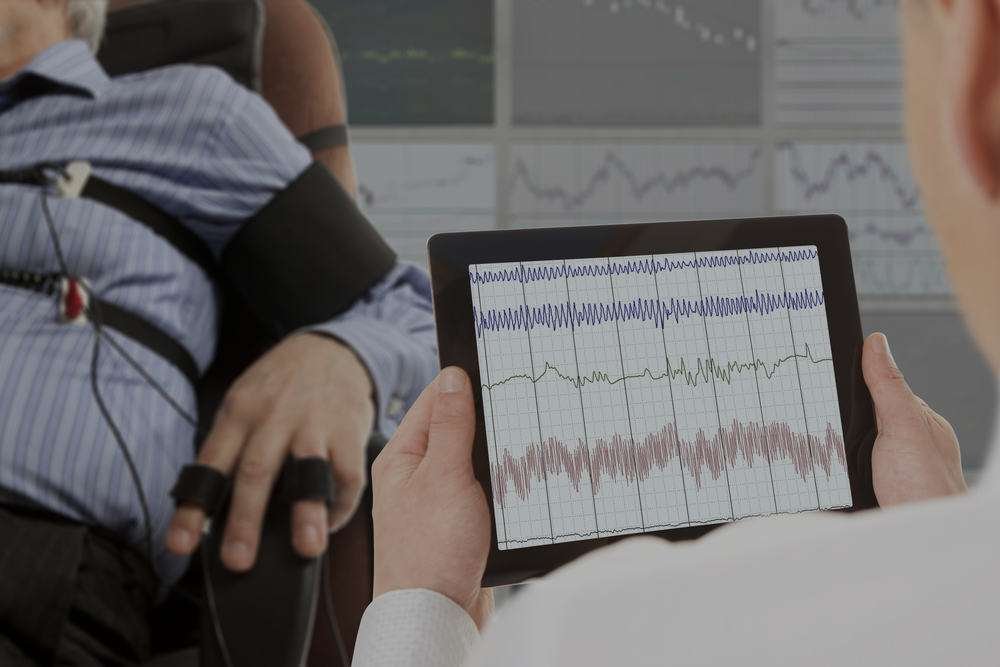
Polygraph tests operate on the premise that physiological changes occur when individuals respond to different types of stimuli, especially questions posed during an examination. These changes typically include variations in respiration, heart rate, blood pressure, and skin conductivity. The polygraph machine records these biological responses in real time, producing data that examiners then analyze for patterns consistent with deception. For example, an increase in heart rate or a spike in sweat gland activity might indicate heightened emotional or cognitive stress, which could be linked to lying.
The technology behind polygraphs is only one component of the process. Interpreting the collected data involves applying scientific principles such as measurement theory and statistical analysis. This is why the skill and expertise of the examiner play a critical role in achieving accurate results. A poorly administered polygraph test can lead to misinterpretations, making rigorous training essential for professionals in the field.
Measurement Theory and Its Role in Polygraph Testing
Measurement theory, a foundational concept in science, explores how intangible phenomena can be quantified and analyzed. Even factors without a physical form, such as deception or emotional stress, can be studied using numerical values and statistical methods. This framework has been developed over decades to help scientists recognize patterns, assign measurements, and draw meaningful conclusions about abstract phenomena.
Polygraph testing applies these principles by assigning numerical values to physiological responses and analyzing them for correlations with lying or truth-telling. The process often requires transforming raw data into a more abstract format for interpretation, typically using manual or automated scoring algorithms. These algorithms help detect patterns and assess the likelihood of deception, contributing to a probabilistic understanding of an individual’s responses.
Types of Measurement in Polygraph Testing
The work of S. S. Stevens (1946) categorized four types of measurement scales that are widely used in different scientific fields:
- Nominal: Categories without rank or order (e.g., dog, cat, robot).
- Ordinal: Data with ranked order but unclear intervals between ranks (e.g., first, second, and third place in a race without knowing the time differences).
- Interval: Ranked data with measurable intervals but arbitrary zero points (e.g., temperature in Celsius or Fahrenheit).
- Ratio: Data with a meaningful zero point, where zero signifies “none” (e.g., weight or height).
Polygraph testing primarily relies on interval and ratio scales to record and analyze physiological responses. For instance, the degree of change in heart rate or skin conductivity can be measured and compared across different questions. However, because the data often represents complex psychological and physiological interactions, it is rarely straightforward. To make it useful, examiners must rely on advanced scoring algorithms and interpretative frameworks.
Psychological and Physiological Foundations of Polygraphs
Polygraph testing is built on an interplay of emotional, cognitive, and behavioral factors. For example, when a person lies, they may experience emotional stress, cognitive load (as lying requires more mental effort than telling the truth), or conditioned responses like fear of being caught. These factors can trigger physiological reactions, which the polygraph records.
While research has significantly advanced our understanding of the physiological responses associated with deception, the psychological mechanisms remain less thoroughly explored. Current theories suggest that emotional stress, cognitive strain, and behavioral conditioning all contribute to the physiological patterns observed during polygraph tests. This complexity underscores the importance of a multi-disciplinary approach to lie detection, integrating insights from psychology, physiology, and statistical analysis.
Scientific Testing and Probabilistic Measurement
No scientific test, including polygraph examinations, is perfect. Polygraphs rely on probabilistic models to interpret physiological responses, meaning their results are estimates rather than absolute truths. For instance, statistical analyses compare responses to control questions (neutral or unrelated to the topic) with responses to relevant questions (directly related to the issue being investigated). By identifying patterns in this data, examiners can make an educated assessment of whether deception is likely.
This probabilistic approach is a strength of polygraph testing but also a source of controversy. While polygraphs offer valuable insights, they are not foolproof. False positives (when truthful individuals are identified as deceptive) and false negatives (when deceptive individuals appear truthful) can occur. The accuracy of the results depends on multiple factors, including the quality of the equipment, the expertise of the examiner, and the specific circumstances of the test.
Challenges and Critiques of Polygraph Testing
Critics of polygraph testing often point to its limitations. For one, physiological responses recorded during the test are proxies for deception rather than direct measurements. A spike in heart rate or increased sweating could indicate stress, anxiety, or fear unrelated to lying. Additionally, current polygraph instruments are not designed to combine physiological data in a fully additive way, meaning that each response must be interpreted individually rather than as part of a comprehensive whole.
Another challenge is the reliance on the examiner’s skill. An experienced examiner can interpret the data more accurately, but human judgment introduces the potential for bias or error. Furthermore, the context in which the test is administered—such as the type of questions asked and the individual’s psychological state—can significantly influence the results.
The Future of Lie Detection
As technology advances, the field of lie detection is poised for significant improvements. Innovations in data analysis, machine learning, and physiological monitoring could lead to more accurate and reliable methods. For example, artificial intelligence could help identify complex patterns in physiological data that are difficult for humans to discern, while wearable devices might capture more precise measurements of emotional and cognitive states.
Polygraph testing, if refined using rigorous scientific principles, could remain a valuable tool for credibility assessment. However, if it fails to adapt and improve, alternative methods may eventually replace it. Emerging technologies, such as brain imaging and real-time behavioral analysis, may offer new ways to detect deception with greater accuracy.
Conclusion: Polygraphs as Probabilistic Tools
Polygraph tests should not be viewed as definitive measures of truth or deception. Instead, they provide probabilistic assessments based on physiological responses. By analyzing this data through statistical models, polygraphs can offer useful classifications, though these are inherently imperfect. A scientific approach to polygraph testing requires acknowledging its limitations, embracing probabilistic thinking, and avoiding overconfidence in its results.
To maintain credibility as a scientific tool, polygraph testing must continue to evolve. This includes fostering transparency, accountability, and continuous improvements in testing methods. By integrating advancements in technology, measurement theory, and statistical analysis, polygraphs have the potential to enhance their reliability and accuracy, remaining a valuable resource in lie detection and credibility assessment.
For further reading on the topic: How to Pass a Lie Detector Test.