Several things can mess up a polygraph test, including medication, certain medical conditions, poor sleep, alcohol or drugs, severe stress, unclear questions, excessive movement and attempts to interfere with the testing process.
That does not mean every one of these factors automatically causes a failed or inaccurate result. The important point is that anything capable of changing a person’s physical condition, concentration or physiological responses may affect how a polygraph examination is conducted or interpreted.
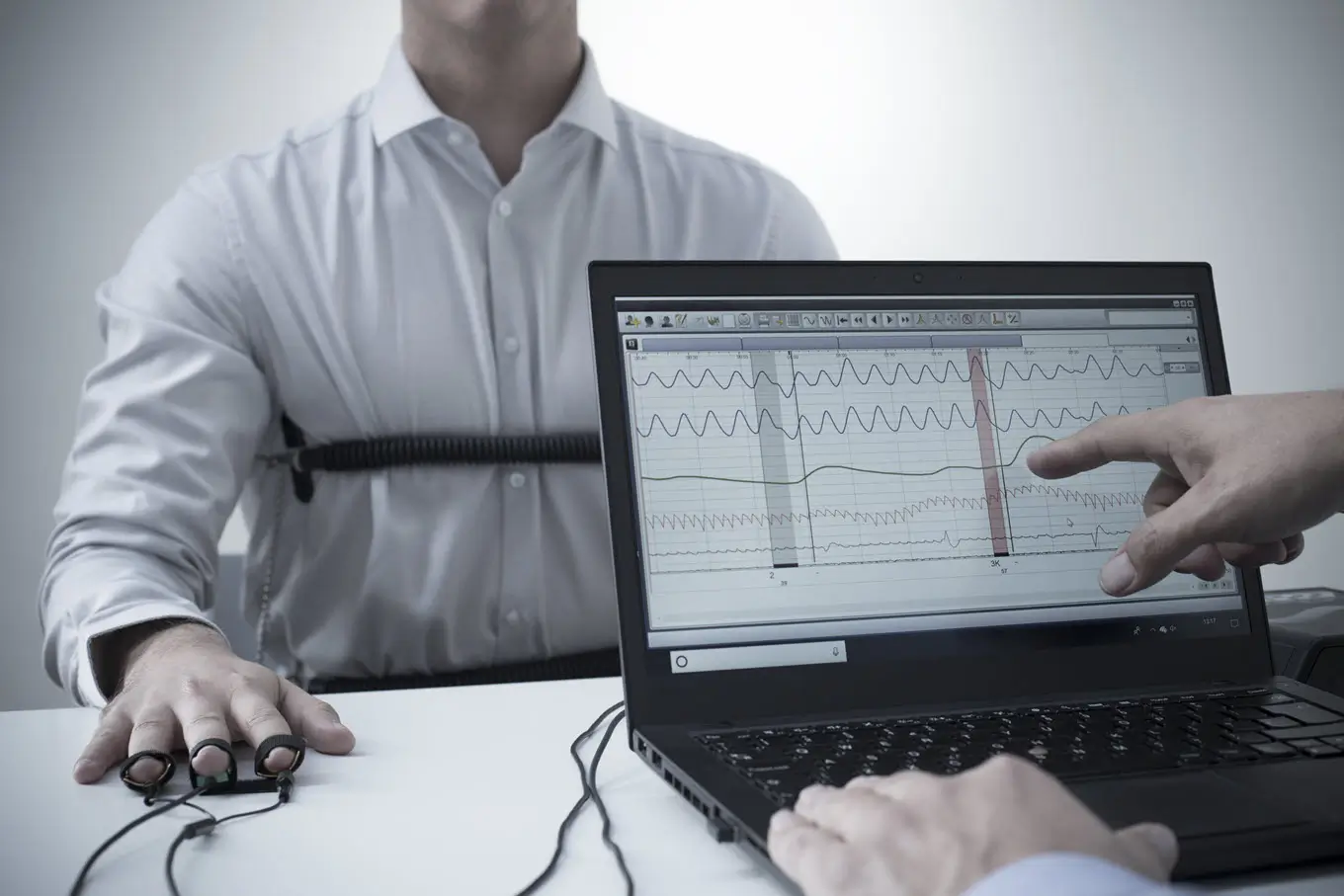
A polygraph machine does not read minds or directly detect lies. It records physiological changes such as breathing, cardiovascular activity, blood pressure and skin conductivity while a person answers agreed questions.
That is why relevant health information, medication and other circumstances should be discussed with the polygraph examiner before the test begins.
What Can Affect a Polygraph Test?
Several factors can affect polygraph results or make the examination more difficult to interpret.
These include:
- medication
- certain medical conditions
- severe fatigue or lack of sleep
- alcohol or recreational drugs
- unusually high stress or emotional distress
- poorly worded or misunderstood questions
- excessive movement during physiological recording
- failing to follow examiner instructions
- unsuitable testing conditions
- attempts to manipulate physiological responses
These factors do not automatically invalidate a lie detector test. Their significance depends on the individual circumstances and whether the examiner can still obtain usable data.
A professional polygraph examiner should therefore review relevant circumstances before the recorded examination begins.
Can Medication Mess Up a Polygraph Test?
Some medications can affect the body’s normal physiological responses.
For example, medication may influence:
- heart rate
- blood pressure
- alertness
- anxiety
- sleep
- concentration
- nervous-system activity
This is relevant because these are connected to the physical responses recorded during polygraph examinations.
However, do not stop or change prescribed medication simply because you are taking a lie detector test.
Tell the examiner what medication you are taking and follow medical advice from the healthcare professional responsible for your treatment.
Anti-anxiety medications and other drugs affecting cardiovascular or nervous-system activity may be particularly relevant to discuss, but taking medication does not automatically mean a polygraph test cannot be conducted.
Can Medical Conditions Affect Polygraph Results?
Certain medical conditions can affect a person’s physiological reactions or suitability for testing.
Examples may include cardiovascular conditions, breathing difficulties, chronic pain, neurological problems or other conditions that significantly affect the person’s physical state.
Someone with elevated blood pressure, for example, should disclose that information before the test. The issue is not simply whether their blood pressure is higher than average, but whether their condition affects the safety or suitability of the examination.
Our guide to heart conditions and polygraph testing covers this issue in more detail.
Some circumstances can also affect whether testing should proceed at all, which is why it is useful to understand who should not take a polygraph test.
Can Poor Sleep Affect a Lie Detector Test?
Poor sleep can affect concentration, emotional regulation and physical responses.
Someone who is exhausted may find it harder to:
- listen carefully
- process the relevant questions
- remain focused
- stay physically comfortable
- follow instructions consistently
This does not mean tiredness automatically produces a false result.
However, serious fatigue should be disclosed to the examiner before the test begins. Depending on how tired or unwell the person is, postponing the examination may sometimes be more appropriate.
You can read more about how lack of sleep can affect a lie detector test.
Can Stress or Anxiety Make You Fail?
Ordinary nervousness is expected during many polygraph tests.
A person may be anxious because they are discussing infidelity, theft, a false allegation, a workplace dispute or another issue with serious personal consequences.
Stress can affect heart rate, breathing, sweating and other physiological responses measured during the examination.
However, being nervous does not automatically mean you will fail.
The examiner considers responses across the structured test rather than assuming that an increased heart rate or another isolated physiological reaction means someone is lying.
Severe anxiety, panic or emotional distress may make testing more difficult and should be discussed beforehand.
This is particularly relevant for someone responding to a serious accusation. Readers dealing with that situation can also see our false allegations lie detector testing service.
Can Alcohol, Drugs or Stimulants Affect the Test?
Alcohol, recreational drugs and some stimulants can alter alertness, concentration, heart rate, blood pressure or other physiological reactions.
That can interfere with the person’s normal condition during the test.
Large amounts of caffeine may also affect some people more strongly than others. Someone who rarely drinks coffee may react differently from a regular caffeine user.
The safest approach is to follow the preparation instructions provided by the examiner and disclose anything relevant that you have taken.
Do not attempt to use alcohol, medication or drugs to change how your body responds during a polygraph examination.
Do Unclear Questions Affect Polygraph Results?
Yes. Question design is one of the most important parts of a professional polygraph examination.
Relevant questions should be clear, specific and understood before physiological recording begins.
Compare:
“Have you ever been dishonest about money?”
with:
“Did you take the missing £500 from the office safe on 12 June?”
The first question covers many possible memories and situations. The second focuses on one specific issue.
Depending on the validated testing technique being used, the examination may also contain comparison or control questions and sometimes irrelevant questions.
If you do not understand a question, tell the examiner during the pre-test discussion rather than waiting until the recorded test begins.
Our guide to lie detector test questions explains how relevant, comparison and other questions are structured.
Can Movement Affect a Polygraph Examination?
Excessive movement can interfere with data collection.
The polygraph instrument records several physiological channels during the examination. Unnecessary movement, repeatedly changing position or failing to follow instructions may introduce additional activity into those recordings.
That does not mean the subject must remain completely motionless.
The aim is simply to follow the examiner’s instructions and mention any discomfort or problem before the recorded portion of the test.
Can You Cheat a Polygraph Test?
Attempts to manipulate a lie detector test can interfere with the examination and may make the resulting data difficult to interpret.
Trying to deliberately alter breathing, physical tension or other physiological reactions is not a reliable way to obtain a particular result.
A professional examination looks at physiological responses across a structured series of questions rather than relying on one isolated reaction.
Trying to interfere with that process can instead contribute to unusable or inconclusive data.
The best approach is to follow the examiner’s instructions, answer the agreed questions truthfully and disclose anything relevant beforehand.
Can a Truthful Person Still Fail a Polygraph?
Yes. No polygraph test is 100% accurate.
A false positive occurs when a truthful person is incorrectly classified as deceptive. A false negative is the opposite: a deceptive person is incorrectly classified as truthful.
Validated polygraph techniques can achieve accuracy rates above 90% when conducted properly by a qualified examiner, but accuracy varies depending on the technique, examiner, questions and testing conditions. Inconclusive results are also possible.
Physiological responses are not unique to deception, which is one reason results need professional interpretation.
For more detail, see whether an innocent person can fail a lie detector test and our guide to polygraph accuracy.
What Not to Do During a Polygraph Test
Avoid creating unnecessary problems during the examination.
Do not:
- hide relevant medication or medical conditions
- arrive severely sleep deprived if it can be avoided
- use alcohol or recreational drugs before testing
- deliberately interfere with your physiological responses
- conceal that you do not understand a question
- repeatedly move or ignore examiner instructions
- change prescribed medication without medical advice
If something is affecting you physically or emotionally, tell the examiner.
Disclosure gives the examiner the opportunity to determine whether the test should continue, be modified appropriately or be rearranged.
What Helps You Take a Polygraph Test Properly?
There is no legitimate trick that guarantees a passing result.
Good preparation means creating suitable conditions for a fair examination.
Before the appointment:
- get reasonable sleep
- follow the examiner’s preparation instructions
- take prescribed medication normally unless a healthcare professional advises otherwise
- avoid recreational drugs and alcohol
- disclose relevant health conditions
- arrive with enough time to avoid unnecessary stress
- clarify the exact issue being examined
During the pre-test interview, listen carefully to the relevant questions and raise anything that seems ambiguous.
Our full guide explains how to prepare for a lie detector test.
For a specific private dispute, you can also read about our private lie detector test service and how appointments are handled.
What If Something Affected Your Result?
If you think medication, illness, sleep, anxiety, unclear questions or another factor affected your test results, first ask the examiner to explain the outcome.
Check whether the result was:
- No Deception Indicated
- Deception Indicated
- inconclusive
Then consider whether the factor you are concerned about was disclosed before testing and whether it materially affected the examination.
Do not immediately assume that repeating the test will produce a different result.
A retest may sometimes be appropriate, but the possible cause of the original problem should first be understood.
Our guide to lie detector results explains the different result categories.
FAQs
What Can Mess Up a Polygraph Test?
Medication, medical conditions, serious fatigue, alcohol or drugs, severe anxiety, unclear questions, unsuitable testing conditions, movement and attempts to manipulate physiological responses can all affect a polygraph examination.
Can Medication Affect Polygraph Results?
Yes, some medications can alter heart rate, blood pressure, alertness or other physiological responses. Do not stop prescribed medication without medical advice. Tell the examiner what you are taking.
Can a Polygraph Test Be Cheated?
Trying to manipulate physiological responses can interfere with the examination and may produce unusable or inconclusive data. It is not a reliable way to guarantee a particular outcome.
Can a Truthful Person Fail a Polygraph?
Yes. False positives are possible, although validated polygraph techniques can achieve accuracy rates above 90% when properly administered by a qualified examiner.
What Should You Not Do During a Polygraph?
Do not hide relevant health information, arrive under the influence of alcohol or recreational drugs, deliberately interfere with your physical responses or pretend to understand questions that are unclear.
Final Thoughts
Many things can affect a polygraph test, but the presence of one factor does not automatically make the result unreliable.
Medication, medical conditions, lack of sleep, stress, unclear questions, substance use, movement and poor testing conditions can all influence the examination. The important issue is whether those factors are disclosed and properly considered by a trained polygraph examiner.
A reliable testing process depends on suitable conditions, clear relevant questions, honest disclosure and appropriate interpretation of the physiological responses recorded during the examination.