Vanity Fair’s FAKE lie detector tests with celebrities
Lie Detector Tests: Separating Fact from Fiction
First, let’s clarify something: the lie detector tests featured by Vanity Fair are purely for entertainment. These tests lack scientific accuracy, as both the questions and answers are entirely pre-planned, scripted, and agreed upon beforehand. These interviews are crafted to amuse and entertain—not to reveal any real truths.
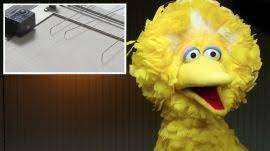
In contrast, a real lie detector test, like those offered by Lie Detectors UK, is a scientifically grounded and meticulous process. Genuine polygraph tests focus on a single issue and involve three carefully formulated questions, conducted over a two-hour session using a computerised polygraph system. Unlike Vanity Fair’s outdated equipment—the kind phased out in the 1990s—a professional polygraph test is precise, structured, and designed to uncover the truth.
The Appeal of Vanity Fair’s Celebrity Lie Detector Tests
What happens when Hollywood’s brightest stars are hooked up to a polygraph machine? Vanity Fair has tapped into this concept to create wildly popular videos that mix humor, surprise, and relatability. These sessions, starring celebrities like Billie Eilish, Jennifer Lawrence, and Harry Styles, offer fans a glimpse into the personal lives of their favorite stars.
From quirky confessions—like Jennifer Lawrence’s fear of chickens—to humorous revelations, these tests are designed to amuse rather than interrogate. The appeal lies in the star power and the playful, lighthearted questions, which tease out tidbits of personality without crossing into uncomfortable territory. While undeniably entertaining, it’s important to remember these tests are staged, with questions designed for audience enjoyment rather than truth-seeking.
For fans, it’s all in good fun. But for experts in polygraph science, these segments only highlight the stark divide between professional polygraph tests and entertainment gimmicks.
What Are Lie Detector Tests and How Do They Work?
Lie detector tests, or polygraph tests, measure physiological responses—such as heart rate, breathing patterns, blood pressure, and sweat gland activity—to detect potential deception. The premise is simple: when people lie, they often experience stress or anxiety, triggering measurable physical changes.
A proper polygraph test is highly structured, focusing on a single issue to ensure greater accuracy. Instead of delivering a simple “pass” or “fail,” a trained examiner interprets the results to determine whether a person might be withholding information or being deceptive.
While polygraphs are widely used in law enforcement, national security, and even corporate investigations, they are not foolproof. Anxiety, misunderstood questions, or even certain medical conditions can sometimes lead to false positives or negatives. That said, when conducted by a qualified professional using modern equipment, polygraphs are about 92% accurate. This is a significant leap from the outdated methods used in Vanity Fair’s celebrity segments.
Celebrities, Lie Detectors, and the Vanity Fair Spin
Vanity Fair has cleverly transformed a serious investigative tool into a cultural phenomenon. By strapping celebrities to a polygraph machine, they create content that feels unscripted—even though it is carefully choreographed.
These tests strip away celebrities’ polished public personas, replacing them with a semblance of vulnerability. Whether it’s Lizzo laughing over a question about whether she believes in ghosts or Channing Tatum reflecting on his days as a stripper, these interviews offer fans a rare blend of humor, relatability, and glimpses into their idols’ lives.
While the “lie detectors” used in Vanity Fair’s tests are little more than props, audiences don’t seem to mind. The staged nature of these interviews hasn’t dampened their appeal, as fans tune in for the laughs, surprises, and entertainment—not the truth.
Honesty in Hollywood: Who’s Really Telling the Truth?
The concept of celebrity honesty has long intrigued fans. According to studies by the International Institute of Honesty, actors rank as the most truthful group among public figures, followed closely by musicians. Veteran actor Harrison Ford, for example, has been dubbed the world’s “most honest celebrity,” thanks to his candid interviews and grounded demeanor.
However, younger stars are reportedly less forthcoming, with some bending the truth about topics like their age, career beginnings, or personal lives. This raises an interesting question: does honesty in Hollywood even matter?
For some celebrities, maintaining a certain image may outweigh the importance of transparency. Honesty, after all, is just one facet of a person’s identity—not necessarily a reflection of their character or integrity.
How Reliable Are Lie Detector Tests?
Polygraph tests have been a valuable tool in fields ranging from law enforcement to national security for decades. In the UK, the government employs over 70 full-time examiners to monitor sex offenders and terror suspects, using polygraphs to aid in offender management—not as definitive courtroom evidence.
However, polygraphs are not without limitations. Factors like nervousness, confusion, or examiner skill can impact results, leading to the possibility of false positives or negatives. While modern polygraphs boast a high degree of accuracy, they work best when used alongside other evidence rather than as a standalone determination of truth.
Vanity Fair: All Fun, No Facts
It’s worth reiterating: Vanity Fair’s lie detector tests are entirely fabricated. The questions, answers, and even reactions are scripted to maximize entertainment value. Designed to produce shareable, lighthearted content, these “tests” are purely a gimmick—not a credible measure of honesty.
The outdated equipment and pre-determined questions ensure there’s no risk of controversy or discomfort, making the process more of a comedy routine than a serious interrogation. While amusing, these segments shouldn’t be mistaken for real polygraph tests.
In Conclusion: Fact, Fiction, and Lie Detectors
Vanity Fair’s celebrity lie detector tests may be a hit with audiences, but they also serve as a reminder of the broader conversation around polygraph technology. Real lie detector tests, when conducted by professionals, can be a useful tool in specific contexts but are not infallible. They should never be relied upon as the sole arbiter of truth in high-stakes situations.
As for Vanity Fair’s version, the entertainment value is undeniable, but the science is entirely absent. If nothing else, they offer a playful spin on the idea of truth—one that’s more about laughs than answers.
What do you think about lie detector tests? Are they a valuable tool or too flawed to trust? Let us know in the comments!
For a closer look at real polygraph services, check out Lie Detectors UK.